Economic development
Women on Idjwi and around Lake Kivu have always done most of the farm work. The aim of every program here is that the money from it ends up in their hands, in and out of the coffee season.
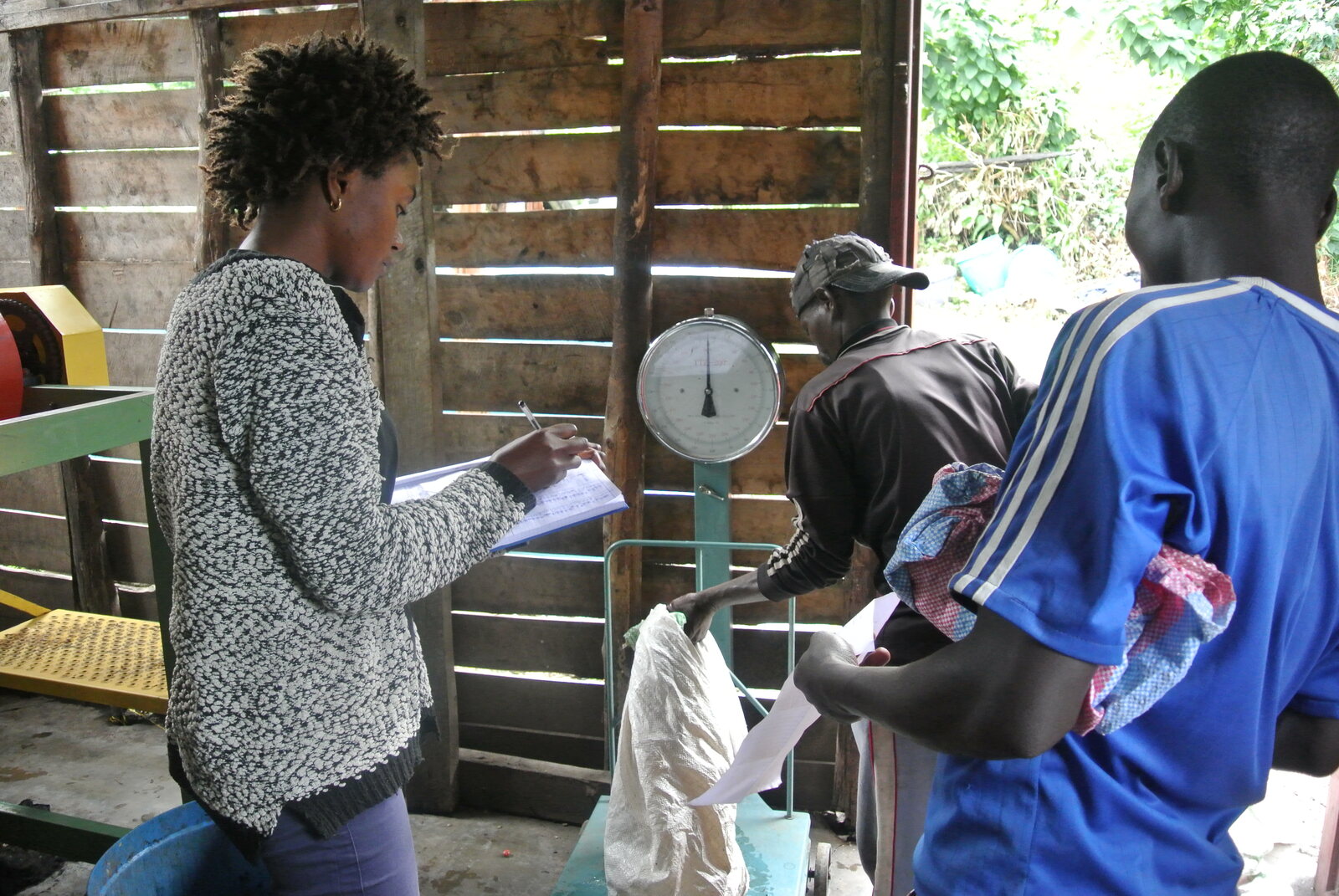
Coffee as the springboard
Before 2013, farmers on Idjwi had no way to process coffee well and nowhere to sell it except to smugglers who took it across the lake. Women grew and picked it; their husbands sold it. The Cooperative changed that: it buys members' cherry, processes it at its own washing stations, and sells the coffee abroad, and the member who grew it is paid.
The Cooperative also trains members in growing coffee, cassava and pineapple in ways that protect the soil and the lake.
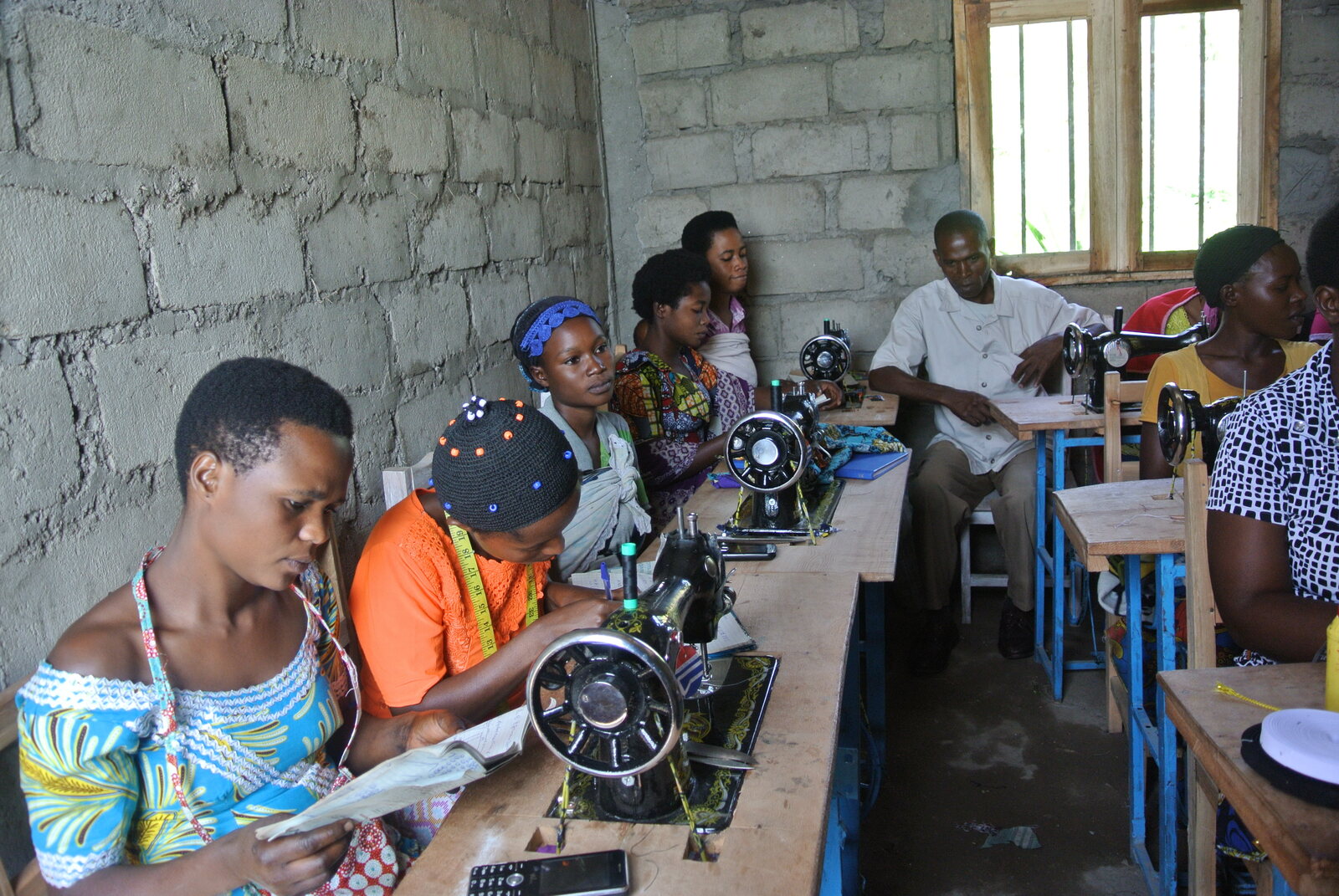
The Women's Center
In 2019 Marcelline Budza received the French Republic's Human Rights Prize. The prize money built the Women's Center in 2020. It teaches tailoring and sewing, baking, soap-making and business skills, so that a woman has an income in the months when there is no coffee to sell, and it gives legal advice to women who need to defend their rights.
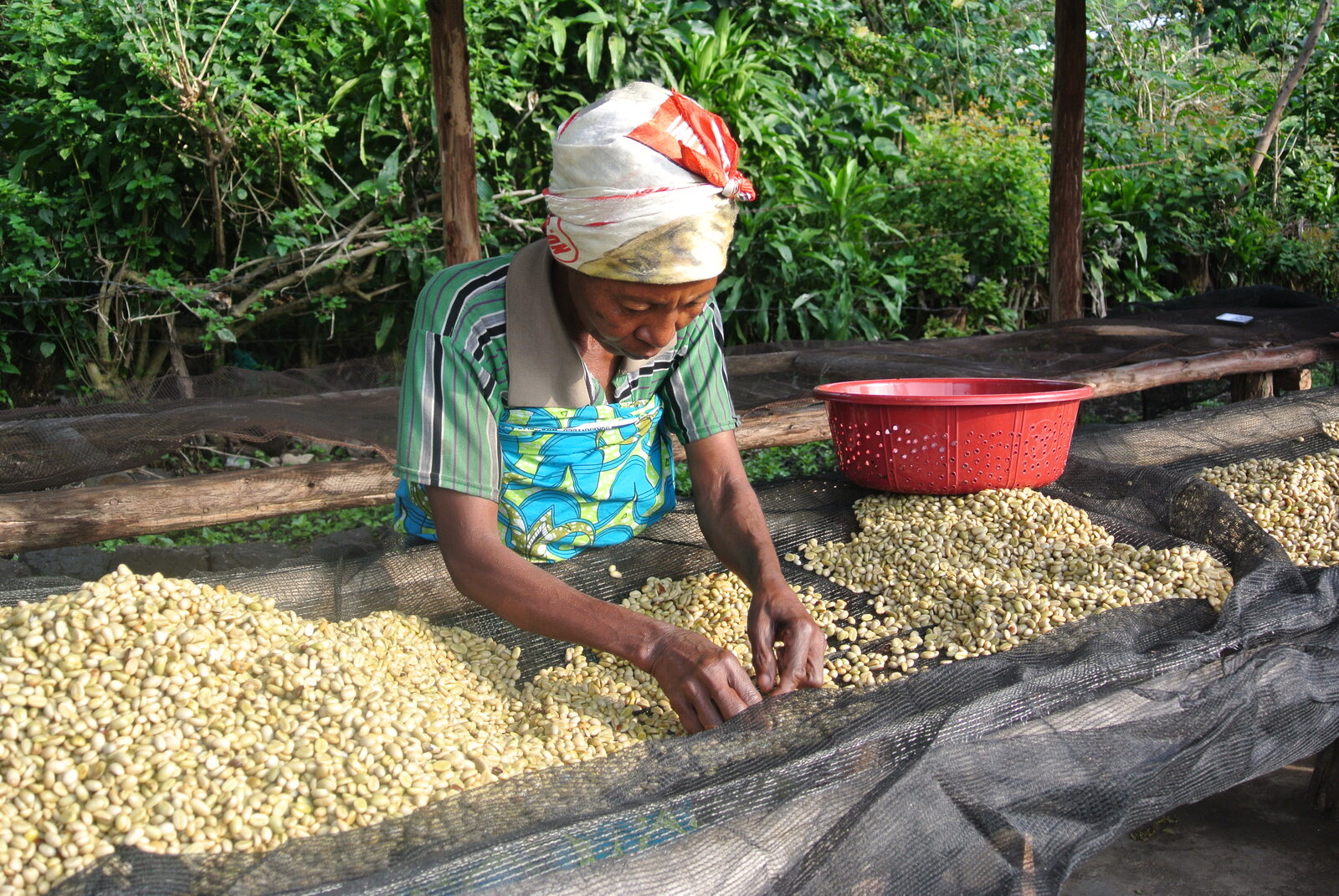
Literacy and business training
A woman who cannot read cannot check what she is paid or keep the accounts of a small business. With the French Embassy in the DRC, RWH has taken more than 250 women in the territories of Kalehe and Idjwi through literacy, then business skills, then the start of an income-generating activity, each one followed by an RWH agent as she goes.
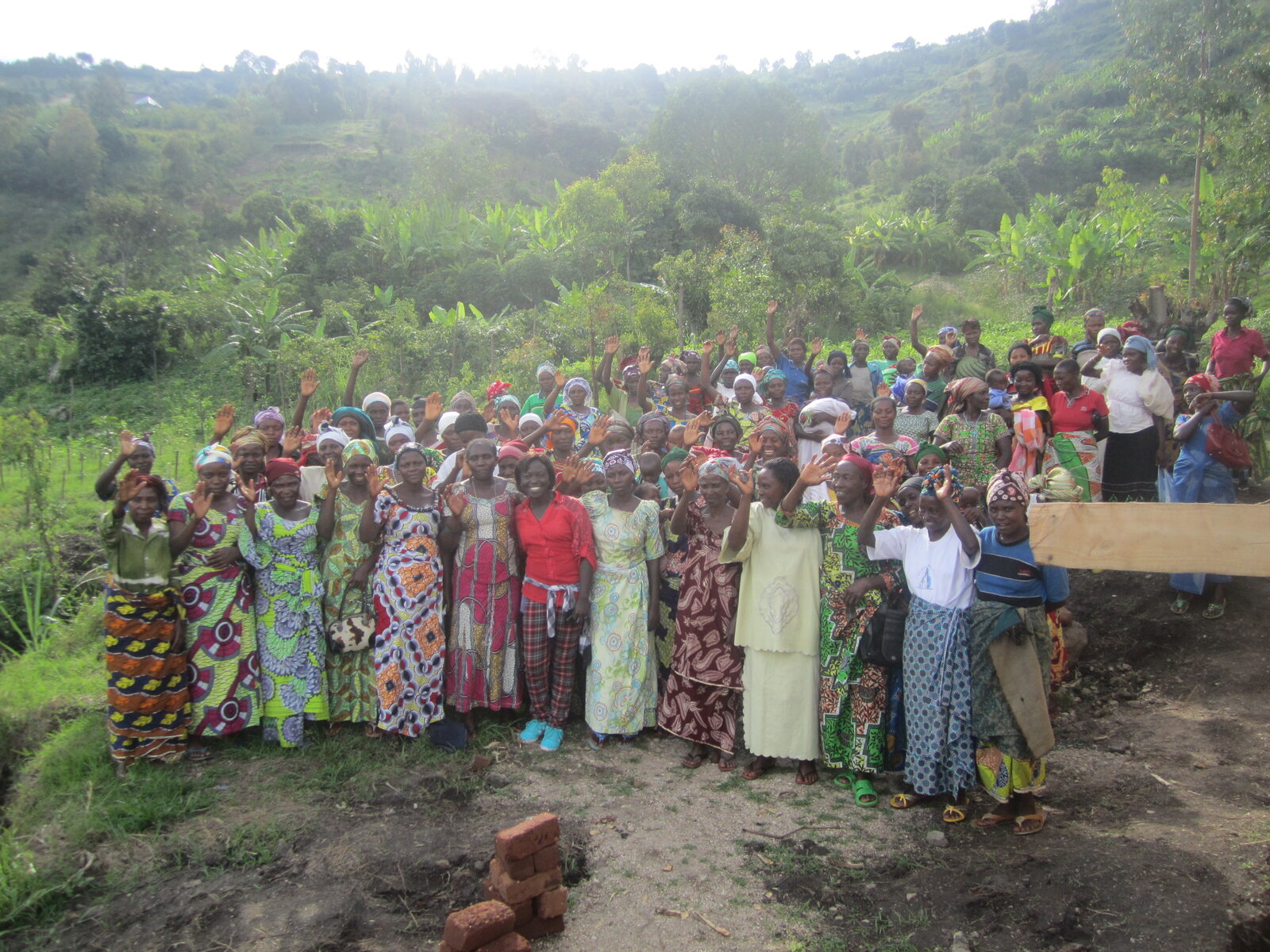
Savings groups
Village savings and loan associations let members put money aside together and borrow from the pool to start or grow a business: a market stall, a bakery, a few goats. The Foundation helps groups start and keeps them going. They are the simplest thing on this page and, for many members, the first credit they have ever had.