Women's rights
Women in eastern Congo do the work and are seen as incapable of it. Much of what the Foundation does is economic and medical; this page is about the rest: standing beside a woman when her rights are taken, and changing what a village expects of her.
Standing with survivors
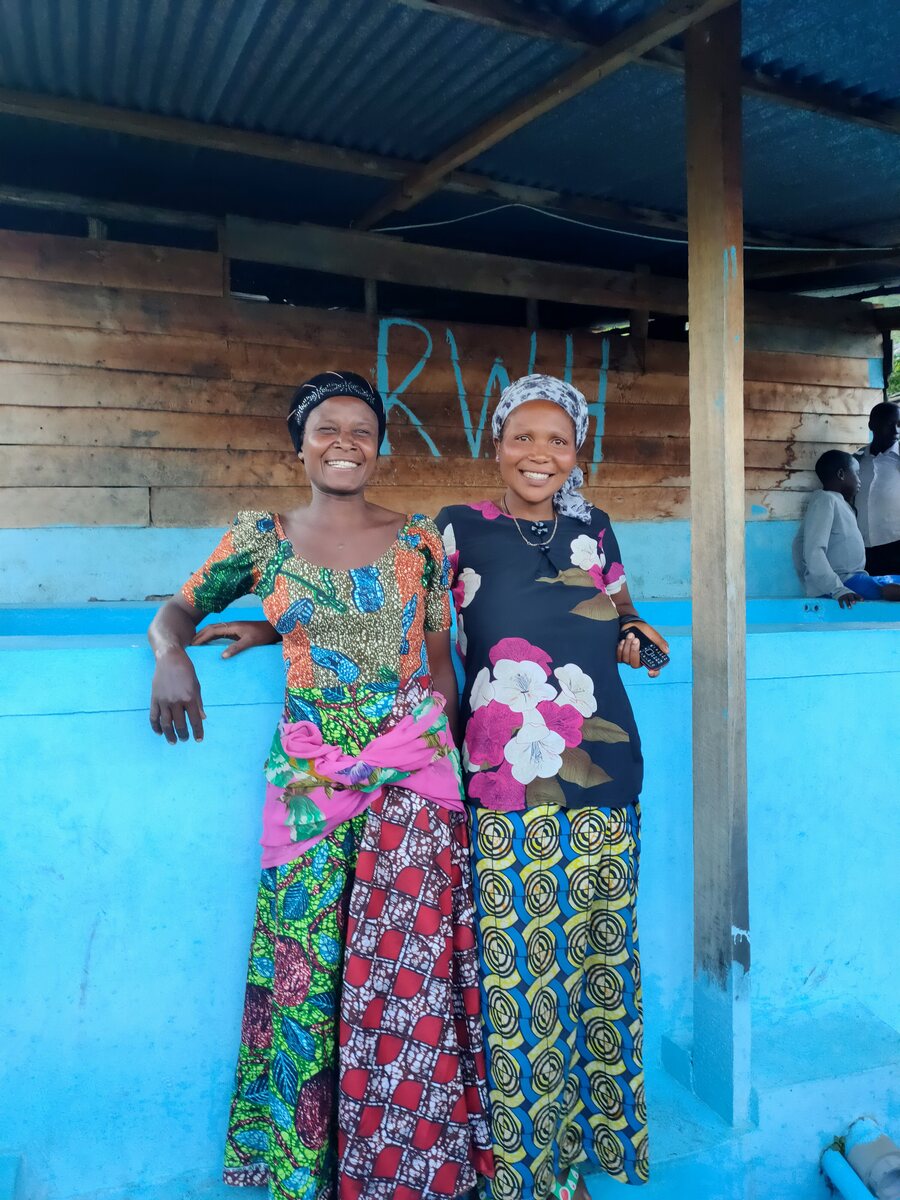
Women in this region have lived through high levels of sexual and domestic violence, and a survivor who wants justice faces a police station, a court and a community that would rather she stayed quiet. The Foundation supports women who have survived gender-based violence to report it to the authorities, gives them legal help through the judicial process, and provides psychosocial care while it lasts. The aim is that she returns to her community with her rights restored, not with a secret.
Knowing your rights
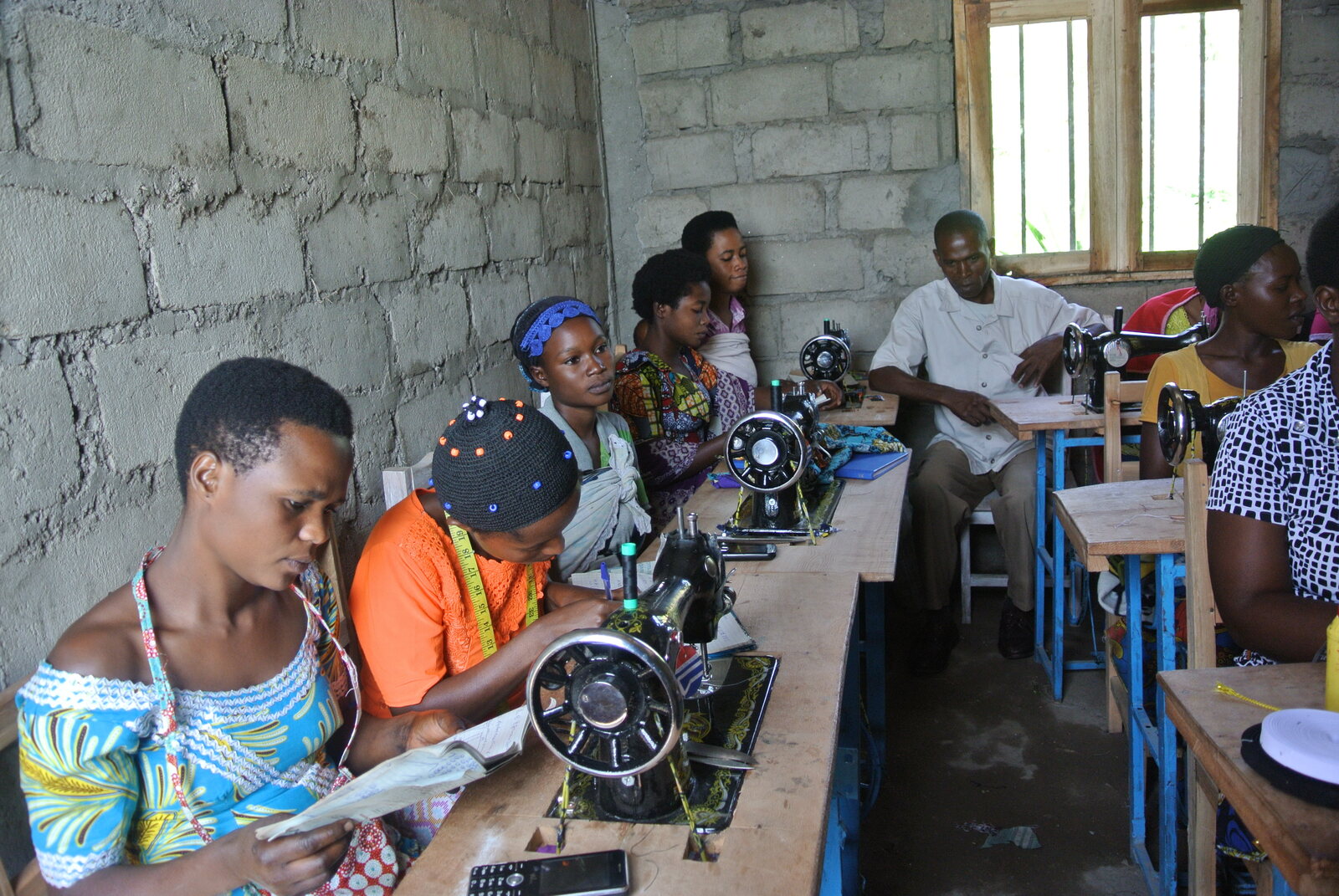
Most of the women RWH works with were never told what the law says about their land, their marriage, their children or their pay. The Women's Center offers legal advice alongside its courses, and RWH's stated objective since the beginning has been to help women know their rights and responsibilities in their community. A woman who knows the law can use it.
Changing what a village expects
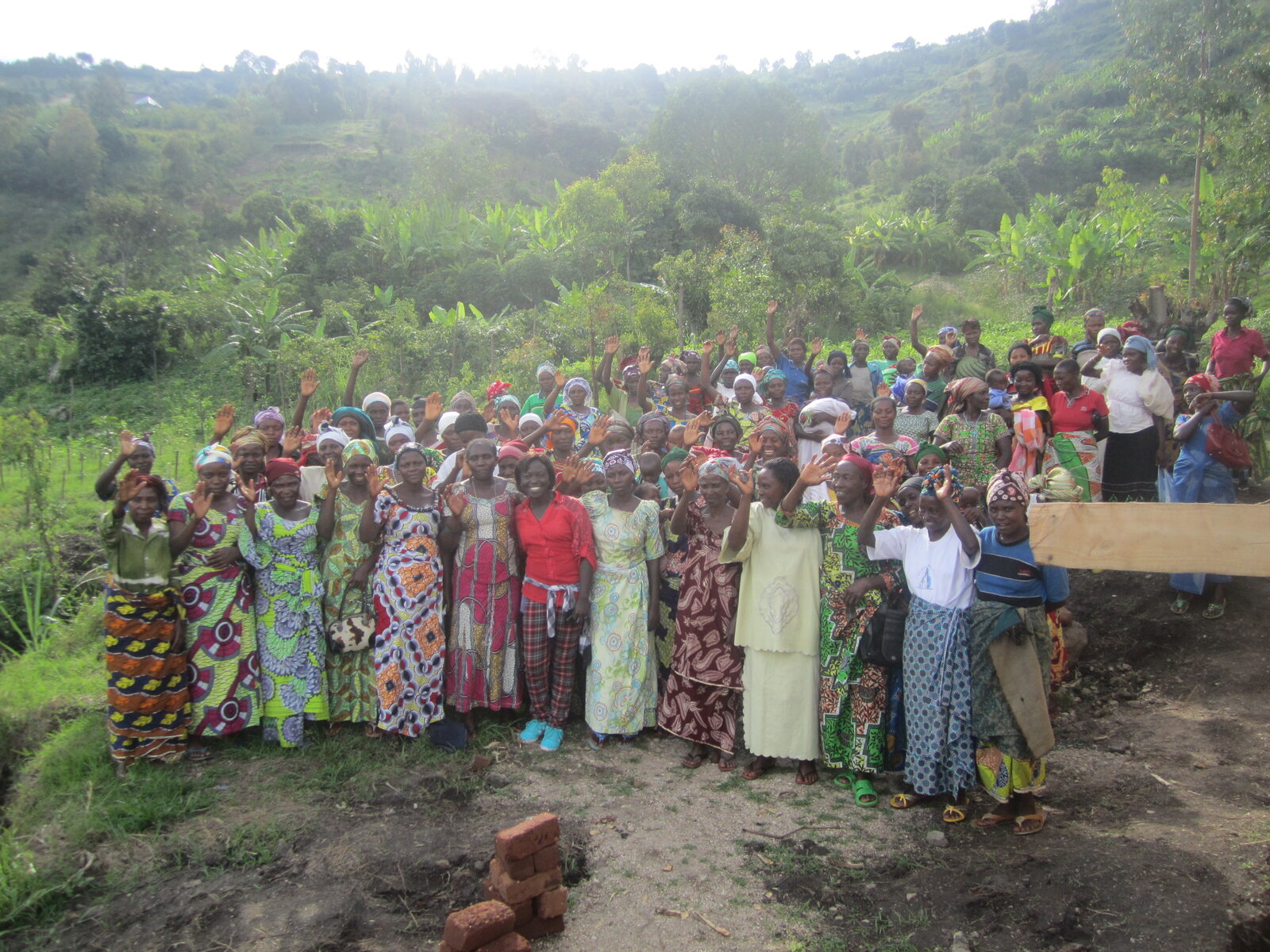
The Cooperative began as an all-women organization. It opened to men because, in RWH's words, for women to thrive, mutual support and cooperation with the men in the community is important, and many men were keen to join. It now aims for equal representation. The Foundation works with whole communities on peaceful cohabitation and mutual respect, because a woman's rights are only as safe as her neighbours' opinion of them.
Recognition
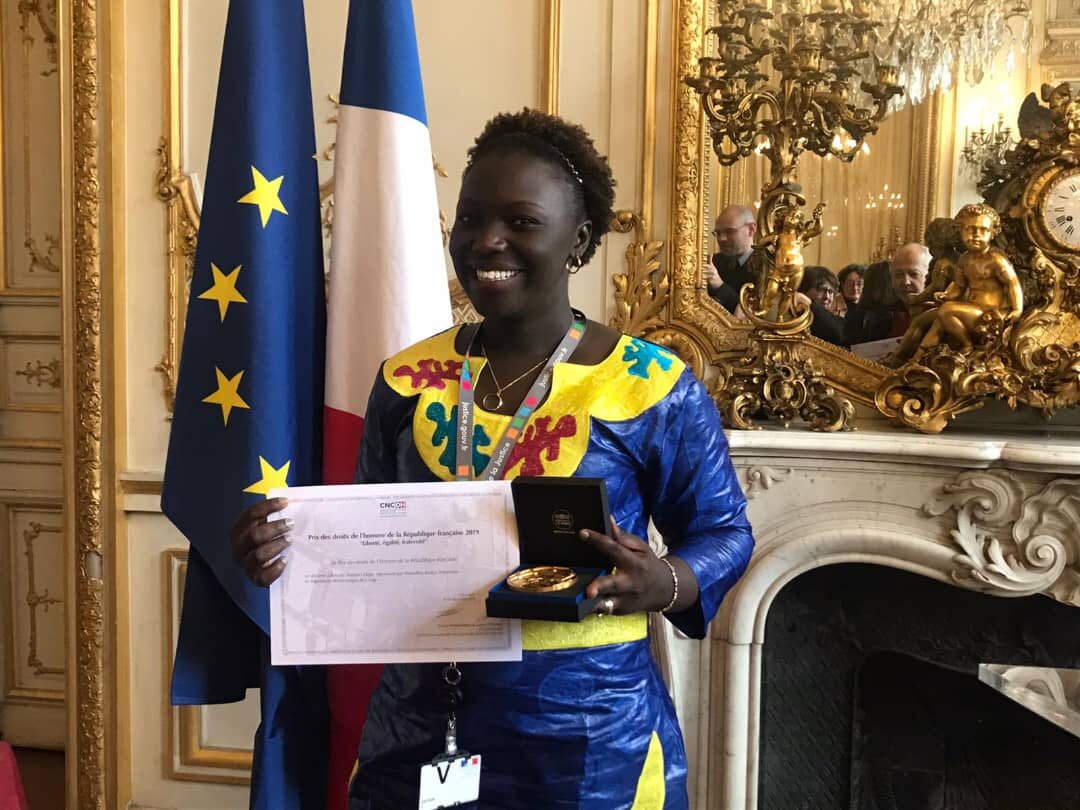
Marcelline Budza's work for the women of Idjwi has been recognized by the Robert Burns Humanitarian Award (Scotland, 2017), the French Republic Human Rights Prize (2019), the University of Oslo Human Rights Award (2020), the Public Peace Prize (2020) and the Polish Sérgio Vieira de Mello Prize (2024). The French prize money built the Women's Center.