Do we drink our own coffee?
On International Coffee Day, celebrated on 1 October, we asked ourselves a simple but important question: do we ourselves drink the coffee we produce?
Behind every cup of coffee is the work of many people, from planting and tending the coffee trees to harvesting, sorting, washing, drying and preparing the beans. On Idjwi island, in South Kivu province in the Democratic Republic of the Congo, women coffee producers give a large part of their time to this work.
Coffee produced on Idjwi can travel far. It can travel as far as the United States, the United Kingdom, France, the Netherlands, Japan and elsewhere. But one question remains: do the families who produce this coffee also get the chance to drink their own coffee? It is a real question in this part of the world. Across the border in Rwanda, most coffee farmers say they rarely ever taste the coffee before their harvest is exported.
The voices of the producers
To understand this reality better, it is important to let the women speak for themselves. We asked them: "Do you drink our coffee, and how do you prepare it?"
"Yes, we drink our coffee. We prepare it simply and share it as a family."
"We produce coffee to sell it, but we can also keep some of it for ourselves."
"During the harvest, coffee sometimes goes with our moments of rest at the station."
Some families drink locally produced coffee. How they prepare it varies from one family to another. Some people simply drink it, while others have it with whatever food there is at home, such as cassava or pineapple.
For the producing families, coffee is not only a product to be sold. It is also the fruit of their work and their know-how.
From the tree to the cup
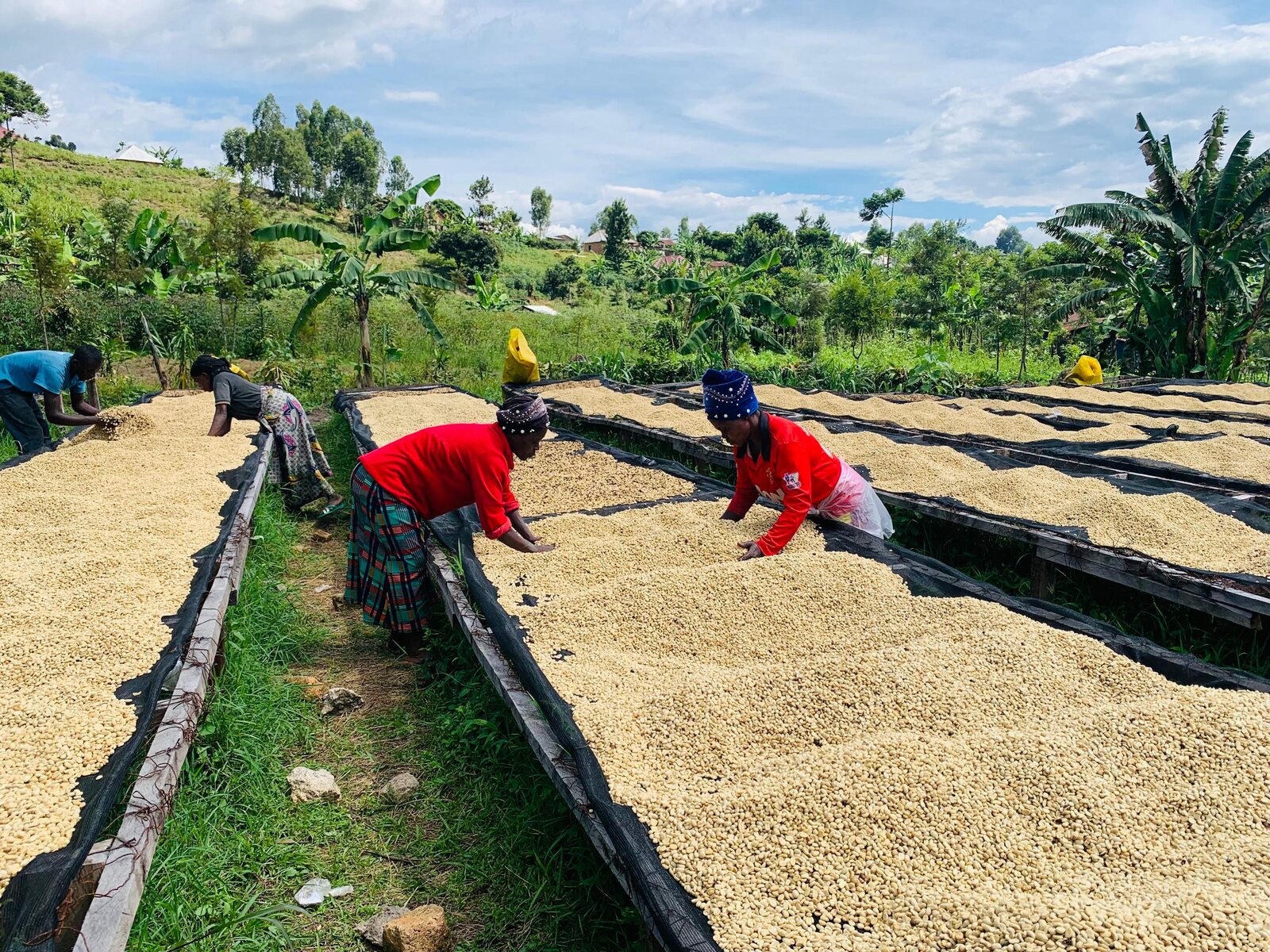
The women producers work in the plantations of Hala, Boza, Chasi and Kolwe, and in the areas of Boza 1, Boza 2 and Boza 3. Even though the women work in different places, they share the same reality: coffee takes a great deal of work, patience and organisation.
The work begins long before the harvest. The women have to look after the plantations, maintain the fields and keep watch over the coffee trees. Producing coffee takes patience, because you have to wait for the cherries to ripen before harvesting them. When the coffee cherries ripen, the harvest begins. The producers go to the fields to pick the ripe fruit. This period takes a great deal of work and time.
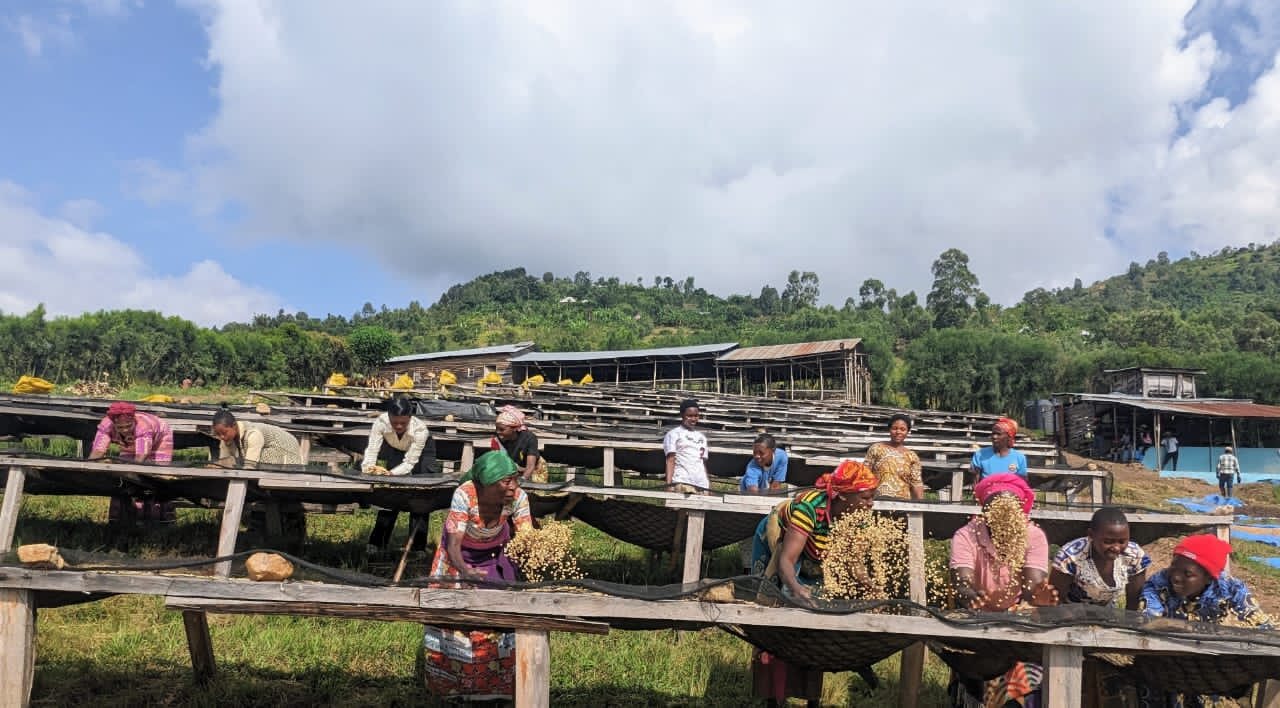
The women producers know their plantations well. They can recognise fruit that is ready to pick, and they understand why the cherries must be handled correctly. Coffee production relies heavily on the women's know-how and on experience built up season after season.
The work does not stop when the coffee is picked. After the harvest, the cherries are transported to the places where they will be processed. They then go through various processing operations, including pulping, washing and drying, depending on the process used. Every stage counts in getting a quality product.
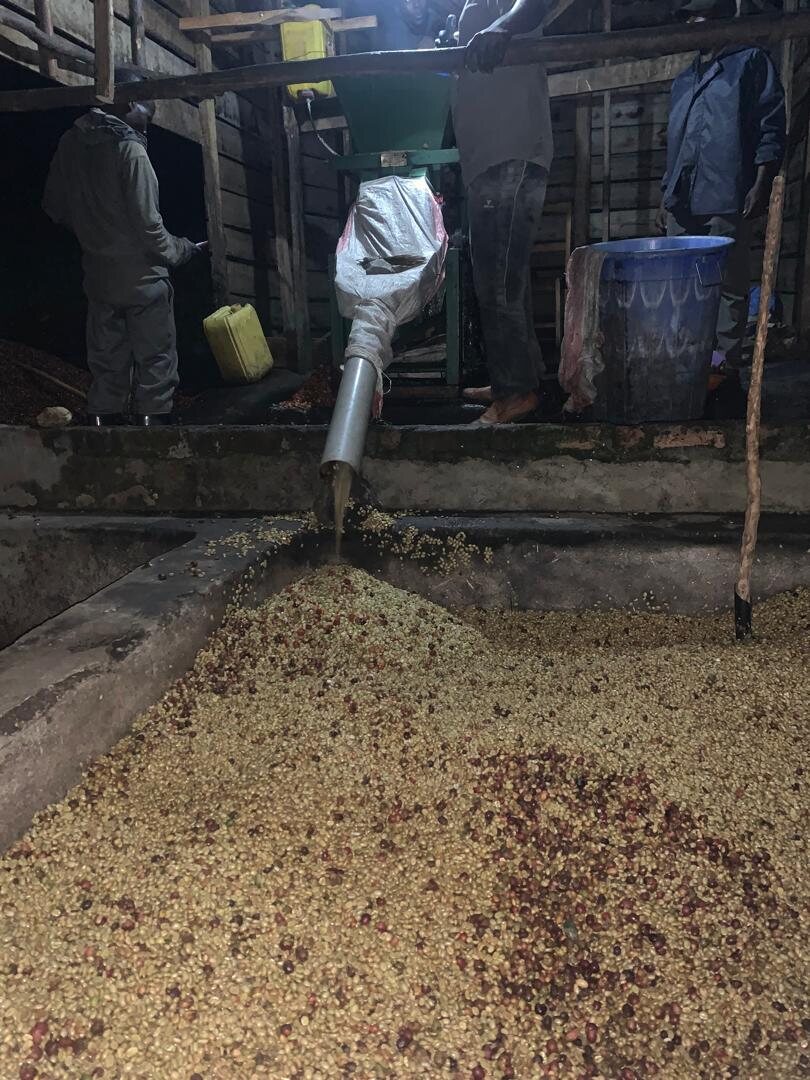
That processing happens on the island, at RWH's own washing stations, the first of them built at Boza in 2016 and the second at Hala in 2017. From there RWH sells its coffee directly to buyers abroad. This long chain shows that behind a simple cup of coffee lie hours of work, done mainly by the women and men who produce it.
Coffee and the women who grow it
Coffee production also plays a part in women's empowerment. Women provide up to 70 per cent of the labour in coffee production worldwide, yet have less access than men to land, credit and information. By taking part in an economic activity, the producers can contribute to their families' needs. Coffee is at once an agricultural product, a source of income and the result of collective work.
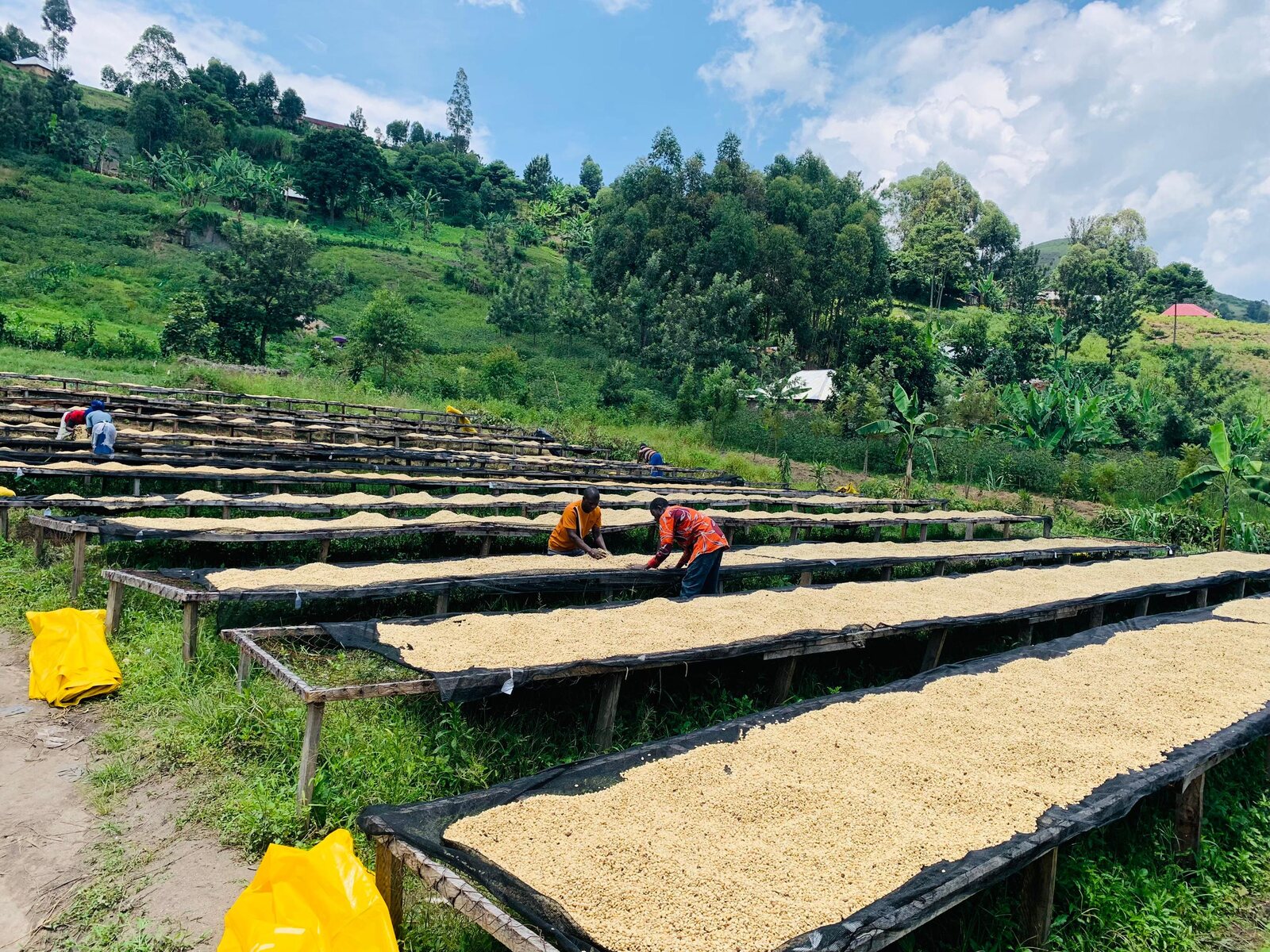
International Coffee Day invited us to look at coffee differently. Before it reaches a cup, coffee passes through the hands of many people. On Idjwi, the women producers tend the trees, harvest the cherries and take part in the different processing stages, and so they help produce a coffee that can be drunk far beyond Idjwi.
But behind the exported coffee there are also families, stories and women who produce this coffee every day. The day is a chance to celebrate not only coffee but also the women producers behind every cup, and their cooperative, which processes and sells the coffee itself.
So when we drink a cup of coffee produced on Idjwi, let us remember the work done in the fields and all the women who help bring this product to life. As one of them told us: "Drinking the coffee we produced ourselves reminds us of the work we did in the fields."